06
Oct



Dela artikel
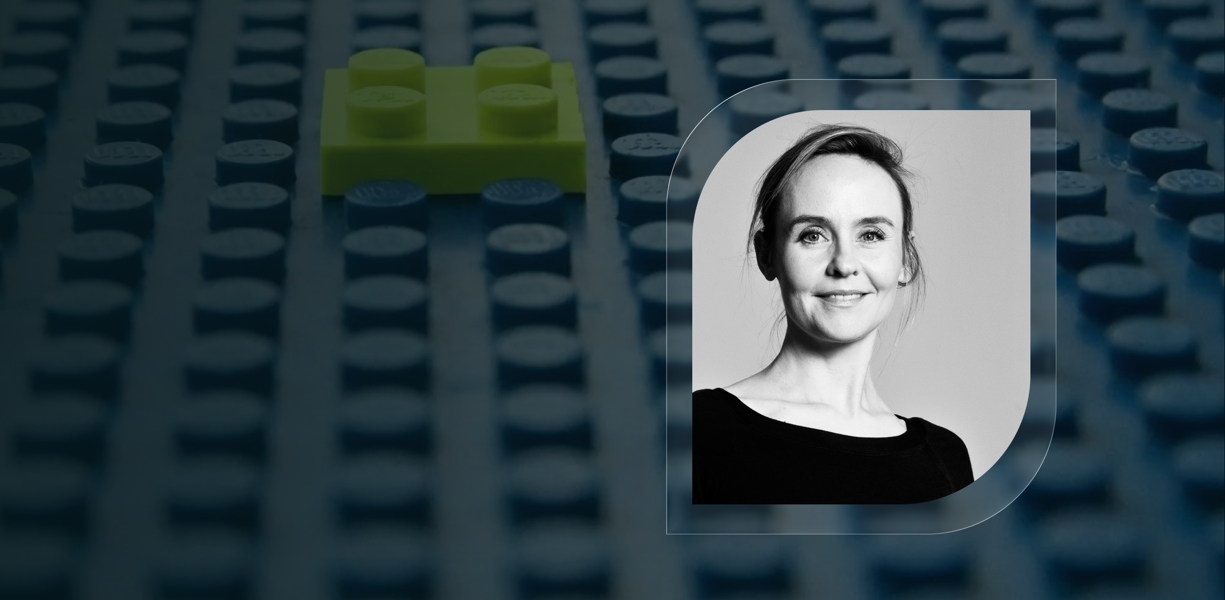
Some brands are bought. Others become part of who we are. At D-Congress 2027, Sara Riis-Carstensen brings the experience of helping create LEGO’s first global brand strategy to a question at the heart of Powering Fandom: how does a brand earn a place in people’s lives?
LEGO sells bricks. But what people have built around them reaches far beyond the product: childhood memories, family rituals, creativity and communities that share what they make. The company has shaped its brand, while generations of people have given it a place in their own lives.
For businesses trying to build lasting relationships with customers, that distinction matters. Reach and conversion can measure attention and sales. They cannot tell the whole story of why people choose a brand, share it with others or make it part of their identity. As more companies gain access to the same technology and marketing tools, understanding that relationship becomes more pressing.
Sara spent seven years at LEGO and helped create the company’s first global brand strategy. It gave her a front-row view of something most companies want and very few achieve: a product becoming much bigger than the thing itself. The difference between what a company sells and what a brand comes to mean has become a recurring theme in her work.
Since LEGO, she has built brand strategy across very different businesses, including Carlsberg, Giorgio Armani, De Beers, Zurich Insurance and Lufthansa Group. The categories change, but the underlying question remains: how does a company become relevant in people’s lives rather than simply visible in the market?
Sara’s thinking increasingly starts outside the company itself. In her conversation with ReD Associates, she argues that brands cannot define themselves in a vacuum. They need to understand culture, communities and the worlds people already care about, then work out what role they can credibly earn within them.
That perspective makes her particularly relevant to D-Congress 2027 and its theme, Powering Fandom — Creating Icons. Fandom is not created by declaring that you have fans. Nor can a marketing department simply construct a community around a company. The harder task is to become meaningful enough that people choose to give the brand a place in their lives, rituals and relationships with others.
On Thursday 11 March, Sara takes the Powering Fandom stage with How Brands Become Icons: What LEGO Can Teach Us About Building Brands People Care About. What role can a brand credibly earn in the cultures and communities its customers already belong to? And how much of what makes a brand meaningful is created by the people around it?
D-Congress takes place on 10–11 March 2027 at the Swedish Exhibition & Congress Centre in Gothenburg. Tickets go on sale on 5 November. Discover D-Congress
Innovation for Impact
Retail Awards
1 995 KR
2 995 KR
Alla priser ex moms
Nordic Retail Summit
Medlem
0 KR
Medlem i Svensk Handel
Trygg E-handel
1 995 KR
Certifierad Trygg E-handlare
Partner
1 995 KR
Partner till Svensk Handel
Ordinarie pris
2 995 KR
Övriga
Alla priser ex moms
TICKETS D-CONGRESS
5.400 SEK
9.800 SEK
1.500 SEK
All prices are exclusive of VAT