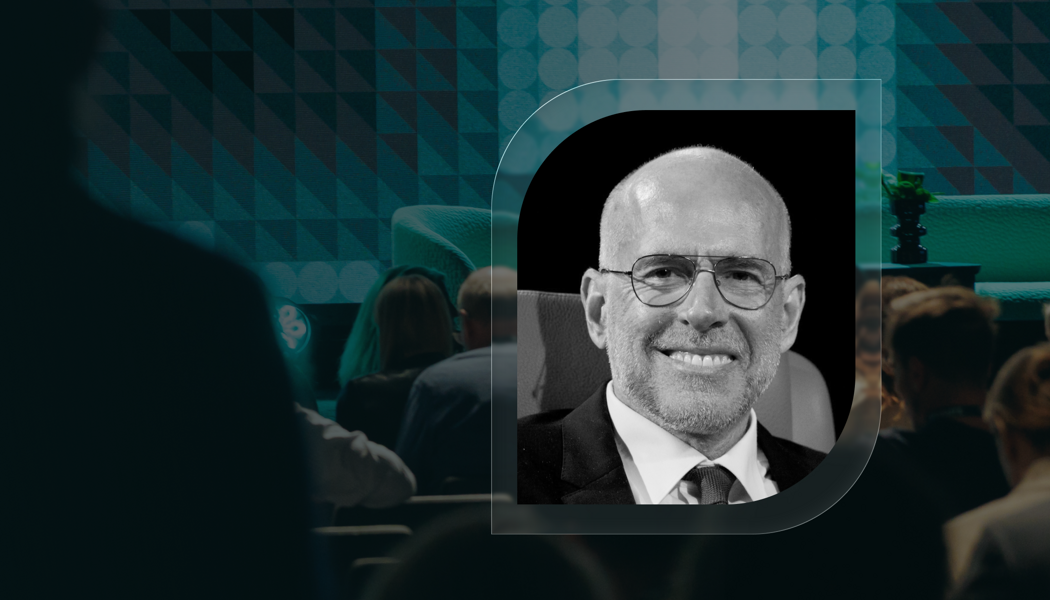
People bring their interests, expectations and previous experiences into every encounter with a brand. Understanding those influences is a useful place to begin a conversation about the future of stores. At D-Congress 2027, Jack Stratten, Director and Head of Trends at Insider Trends, explores that connection in Stores Worth Showing Up For — The future of physical retail.

In his August 2026 essay on the “nichification” of retail, Stratten connects specialist concepts with fragmented cultural interests. His examples raise a wider question for established businesses: what gives a customer something specific to identify with?
For a leadership team, that is a useful question to ask of its own proposition. Which customers recognise their needs in the offer? What would they miss if the business disappeared? The answers should help guide what the company invests in and how it presents itself.
Kantar MONITOR’s 2026 consumer analysis describes a desire for more self-directed experiences and active participation. For retail, it opens a discussion about the role customers can play: learning a skill, trying something unfamiliar or meeting people with a shared interest.
These activities need a reason to exist for the participants. A useful test is to ask what they gain from taking part and what would make them choose to do so again. The answer will differ between categories, places and customer groups.
GWI’s 2026 retail overview describes a combination of social discovery, digital research and physical shopping. A retailer therefore needs to consider how one encounter prepares someone for the next.
A customer might arrive with a specific product in mind, a question prompted by a recommendation or a general interest in the brand. The team needs ways to recognise and respond to those different starting points. That is a practical challenge for the offer, the service and the information available.
Stratten’s writing about Reddit focuses on a demanding test for brands: whether their actual products and experiences earn positive human recommendations. It places customer opinion in the strategy conversation, beyond the company’s own description of itself.
His work on the creator economy adds a related perspective: experiences can give people something they want to express and share. Together, these ideas invite retailers to examine what happens after a visit as well as during it.
At D-Congress, Jack opens with a 20-minute keynote, then leads a 25-minute conversation with brands about the decisions behind their stores. The discussion connects changing expectations with relevant concepts, customer relationships and commercial performance. Participating brands will be announced separately.
The session gives Powering Fandom – Creating Icons a concrete retail setting: how a business earns a meaningful place in people’s lives through the experience it delivers.
Three perspectives on changing consumer expectations and what they mean for retail.